
A Look Back at August 8, 2000
A Century-Long Mystery
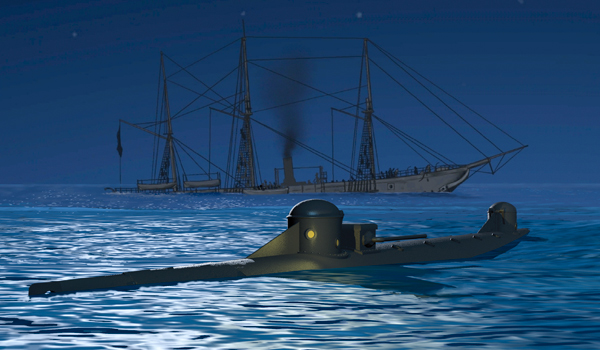
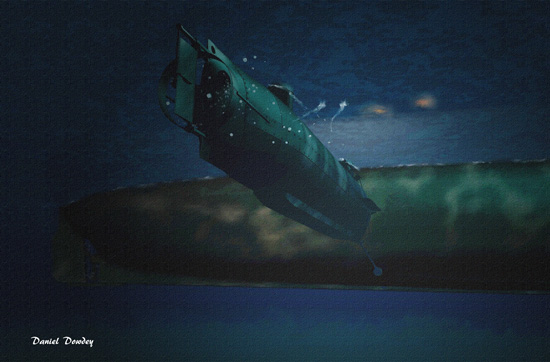
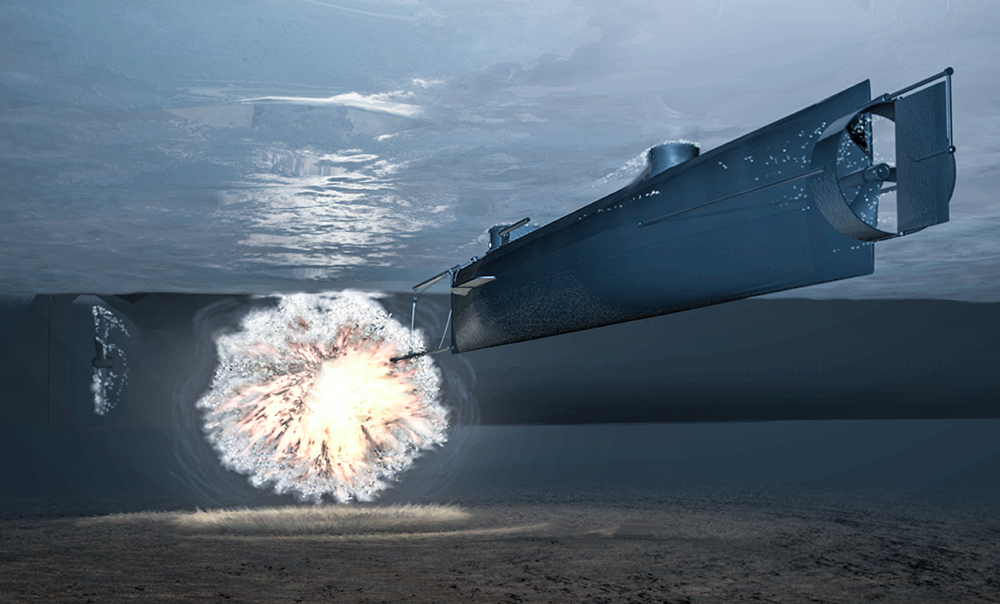
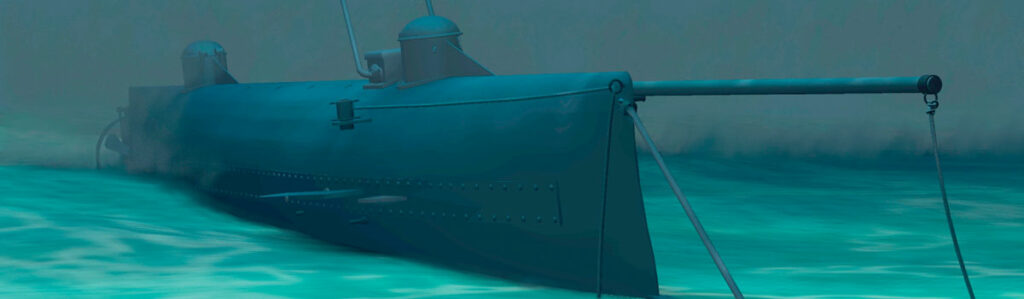
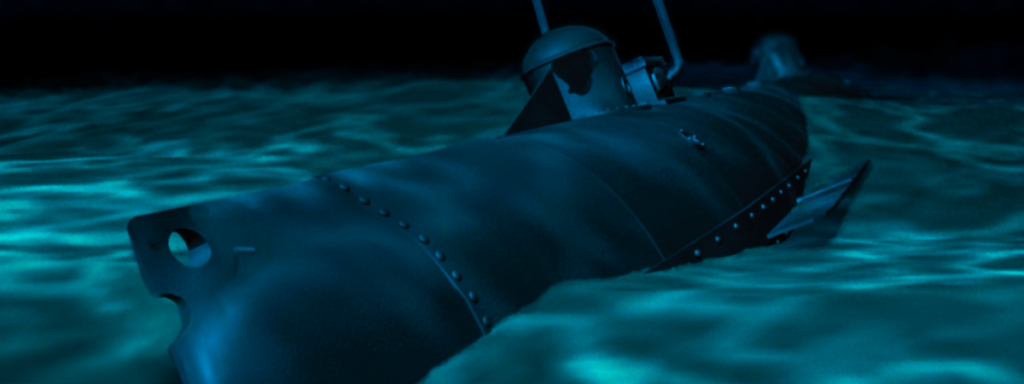
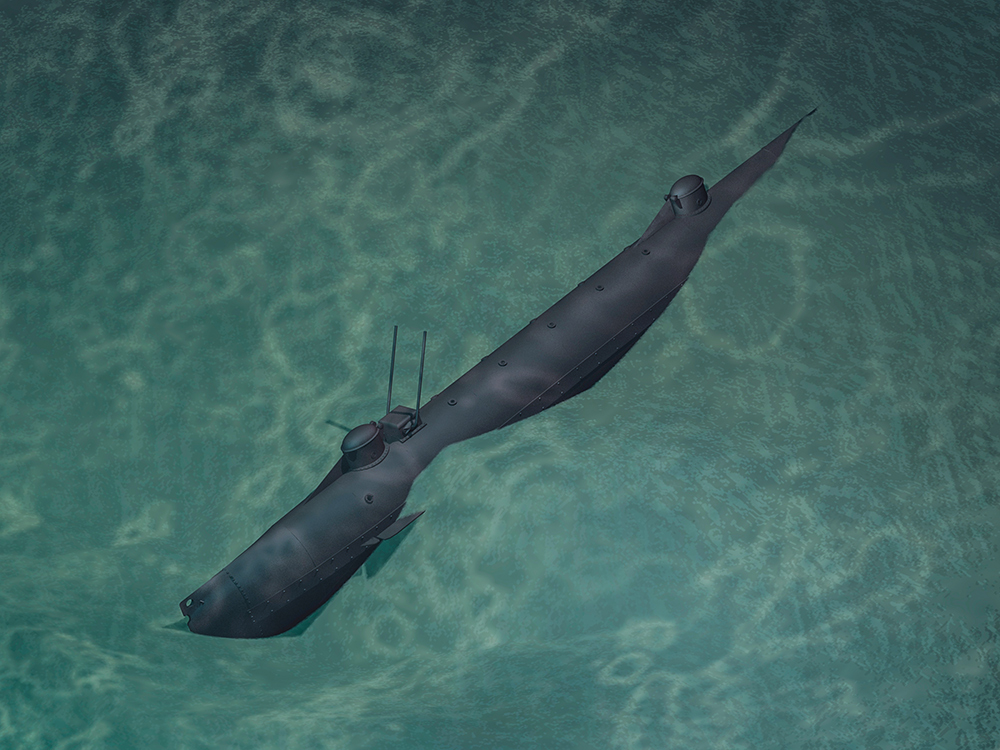
For more than 130 years, the Hunley rested silently off the coast of Charleston, lost to time but not to memory. The small Confederate submarine had made world history in February 1864 when she became the first combat vessel to sink an enemy ship—the USS Housatonic—before disappearing without a trace.
Generations searched for the Hunley, but it wasn’t until May 3, 1995, that bestselling author Clive Cussler’s National Underwater and Marine Agency (NUMA) team finally located the wreck. The submarine lay about four miles off Sullivan’s Island, buried beneath the sand, her bow pointed as if still heading home.
Photos Courtesy of Dan Dowdey
Click to enlarge
Let’s Bring the Boys Home
After the discovery, questions swirled: Who owned the Hunley? How should she be treated? And could she ever be safely raised from the ocean floor?
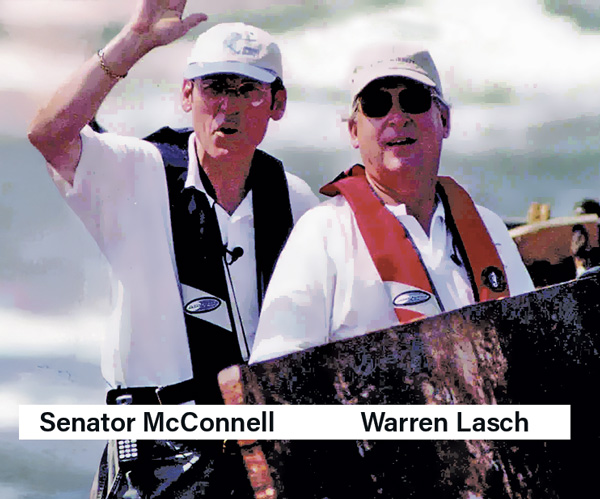
Former State Senator Glenn McConnell of Charleston took the lead in navigating the complex legal and governmental path forward. His guiding phrase became a rallying cry:
“Let’s bring the boys home.”
To turn that vision into reality, businessman Warren Lasch was chosen to lead Friends of the Hunley, a nonprofit established to raise funds and coordinate the recovery. Together, McConnell and Lasch assembled an international coalition of engineers, scientists, and maritime archaeologists to tackle one of the most delicate underwater recoveries in history.
Click to enlarge
Preparing for History
The Hunley was fragile—40 feet long, the vessel weighed over 20 tons resting under 30 feet of seawater. Any imbalance in weight could cause the vessel to crack or collapse during the recovery process. The recovery team included experts from the U.S. Navy, the National Park Service, the South Carolina Institute of Archaeology and Anthropology, and Oceaneering International.
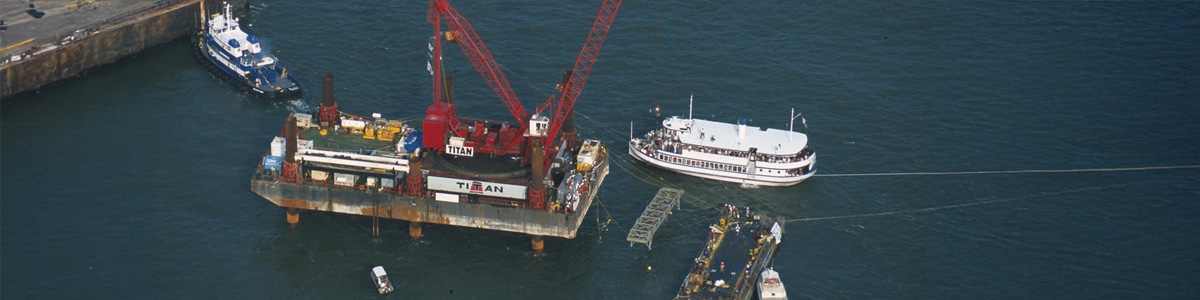
Their plan was unprecedented. Divers excavated around the submarine, installed suction piles for stability, and positioned a steel truss above the wreck. Thirty-two slings were carefully threaded beneath the hull and attached to load cells that would monitor every ounce of weight. Each sling was then filled with expandable foam, creating a cradle that molded perfectly to the Hunley’s bottom contours. Raising the Hunley was a mission that had to succeed the first time.
Click to enlarge
August 8, 2000:
The World Watches Charleston
At dawn, Charleston Harbor was alive with anticipation. Hundreds of boats crowded the water, while thousands watched from the shore. News crews from around the world gathered to witness what had not been seen by anyone in more than a century: the Hunley returning to the surface.
The recovery team finally had the calm sea that they had waited for on a clear, beautiful summer day.
As the crane’s cables tightened, divers held their breath. Slowly, the Hunley began to rise, held by her sling cradle. When her iron hull broke the surface just after 8 a.m., a collective cheer swept across the harbor.
After 136 years, the submarine that had vanished in wartime darkness was home again—tilted on her starboard side, just as she had lain on the seafloor, her story still locked within.
The Journey to the Lab
The Hunley was carefully placed onto a transport barge and taken to the Warren Lasch Conservation Center in North Charleston. There, she was lowered into a 75,000-gallon steel tank of chilled freshwater designed to stabilize her fragile iron hull.
It was a turning point: the beginning of one of the most ambitious conservation efforts ever undertaken. Inside the lab, scientists would use chemistry, archaeology, and advanced imaging to uncover her secrets and preserve her for generations to come.
Click to enlarge
Your donation will enable us to complete the HUNLEY’s journey. Also, FRIENDS OF THE HUNLEY is a charitable, 501(c)3 non-profit organization meaning your donation is tax deductible. We ask you to join us in preserving the HUNLEY. It will only be possible with your help.